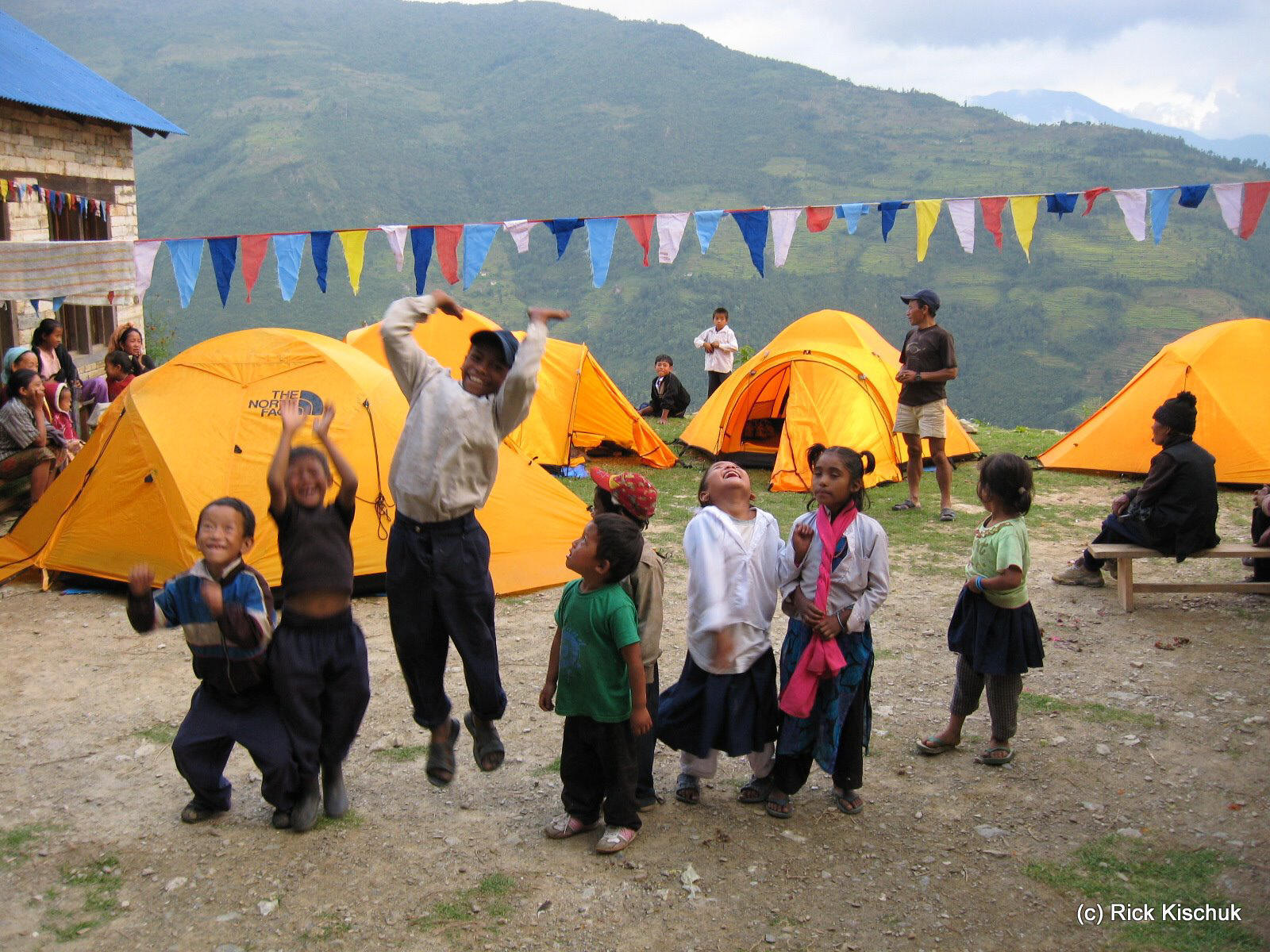
You can contribute financially to the Basa Village Foundation USA ("BVF") at https://www.bvfusa.org/ through the corporation's online portal https://secure.qgiv.com/for/bvfu
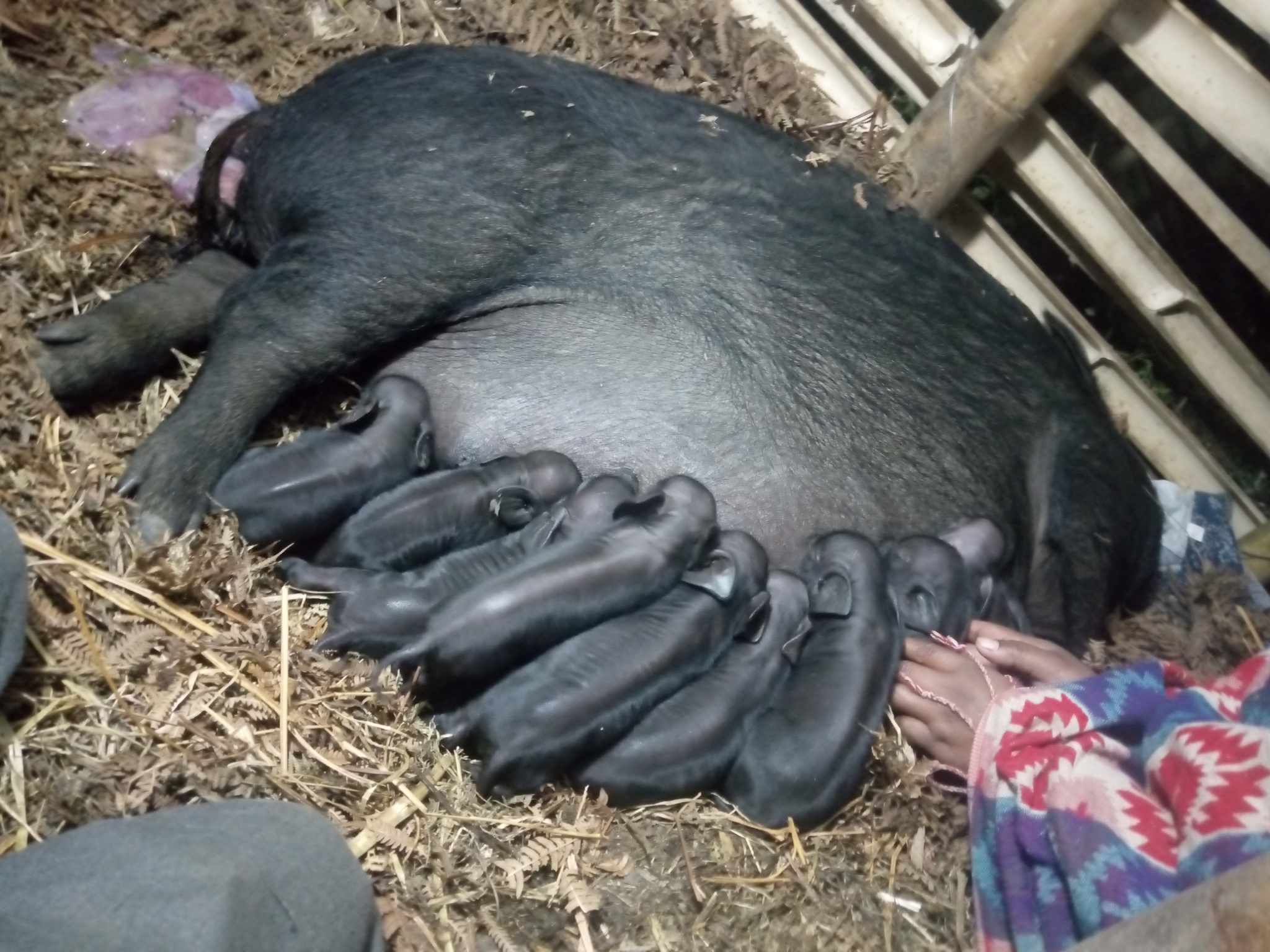
The people of Basa Village, Nepal, have requested our Foundation’s help with two projects commencing in 2025. Funds are needed to help pay the salary of the village school’s English teacher. If private funding is not provided, the school’s English teacher will have to work for no pay or resign. The second project is the development of a commercially viable herd of goats and pigs. The villagers are dependent on subsistence farming and money earned by some of the adults working in the tourist industry as support staff for treks and mountaineering expeditions. Disastrous earthquakes in 2015 and the 2020 COVID pandemic virtually shut down tourism for two years following each of those catastrophes. The village leaders realized that a sustainable business is needed to support village families, when jobs in tourism are not available. The first animals were purchased this year, but to make the endeavor profitable, more animals must be purchased and cared for. The goal is to have a profitable co-op business of selling goat milk, cheese, and yoghurt and pork within two years after the requisite number of animals are acquired. Money earned above costs will support the village school and provide assistance to any families in need. An article about the projects: https://synchchaos.com/synchronized-chaos-first-december-issue/
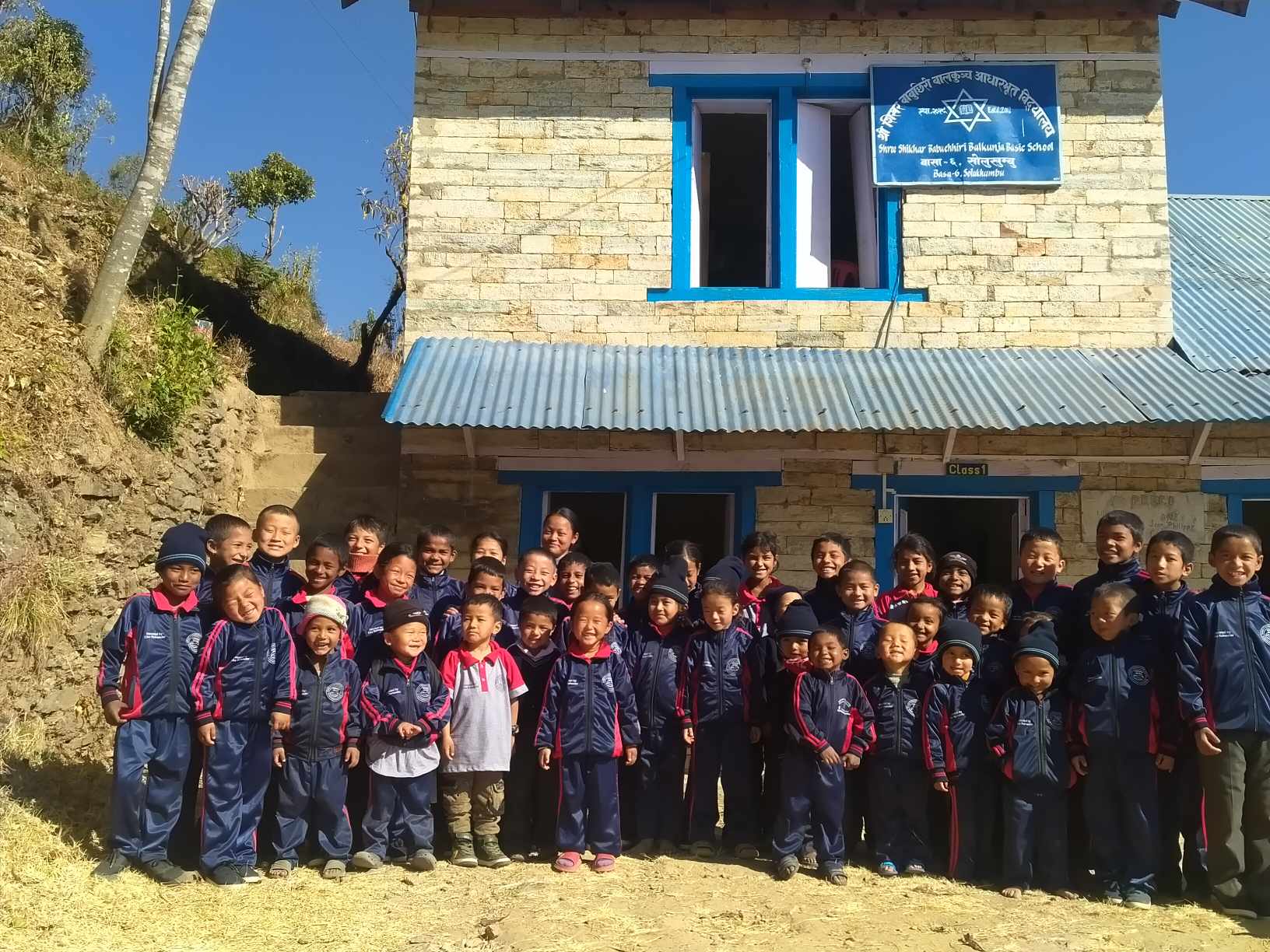
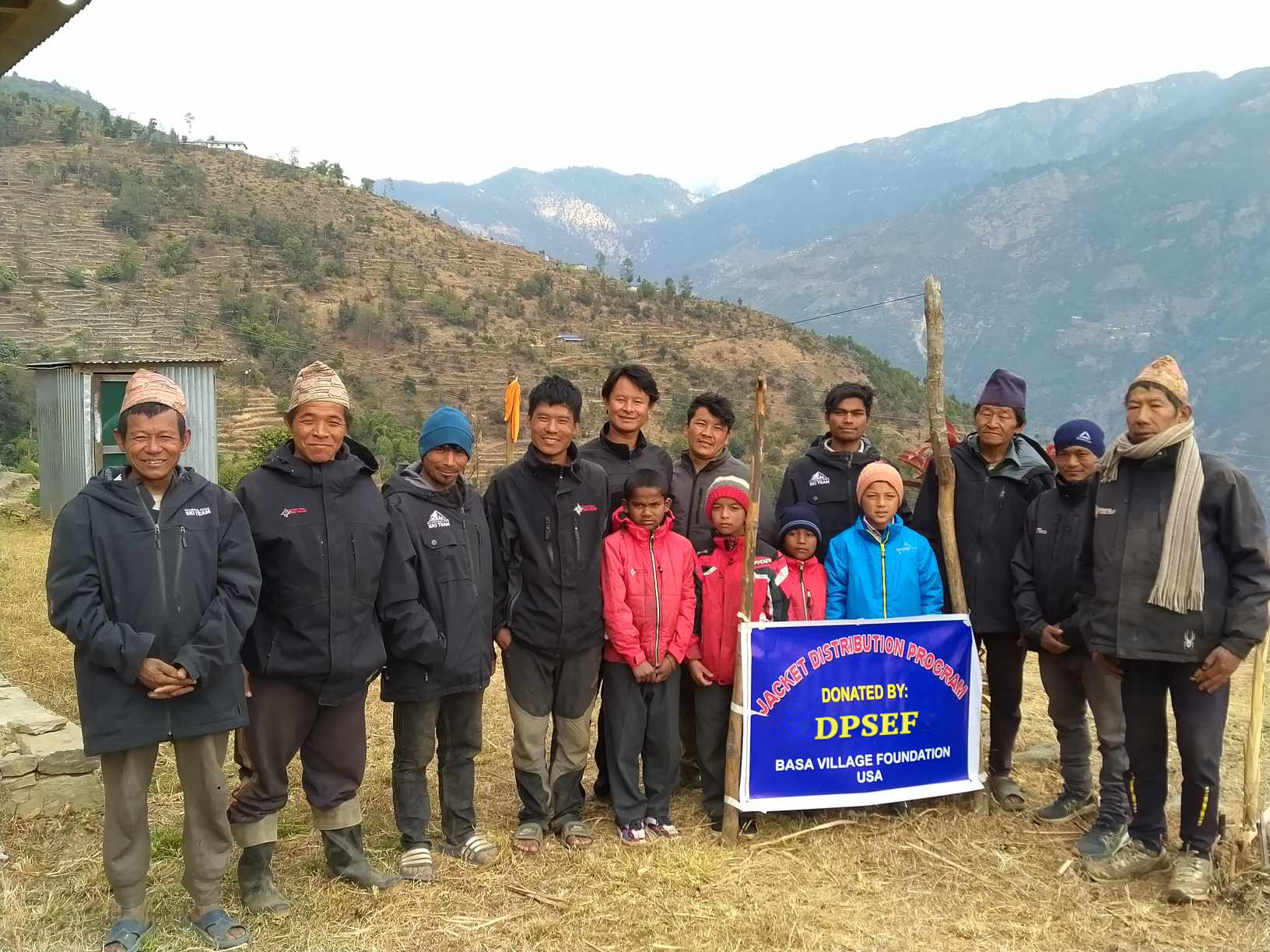
In January, 2024, parkas donated by the Diamond Peak Ski Education Foundation to Basa Village Foundation were delivered to the village. Villagers of all ages have received a parka. The project was coordinated by Eric Durfee, who is a BVF board member and ski coach at Diamond Peak.
The BVF's major project in 2023 was providing financial support for the development of an agricultural and animal husbandry cooperative in Basa Village. The village requested a capital investment of $21,000 to purchase goats and pigs, construct facilities, and educate villagers on the proper feeding and care for the animals. The project was successfully completed by the end of the year. Pens, shelters, and watering stations were constructed. Villagers received the appropriate training, and pigs and goats have been divided up among families for commercial or personal use. A communal herd is being retained for breeding and benefit of the entire village.
)
.jpg)
.jpg)
.jpg)
.jpg)
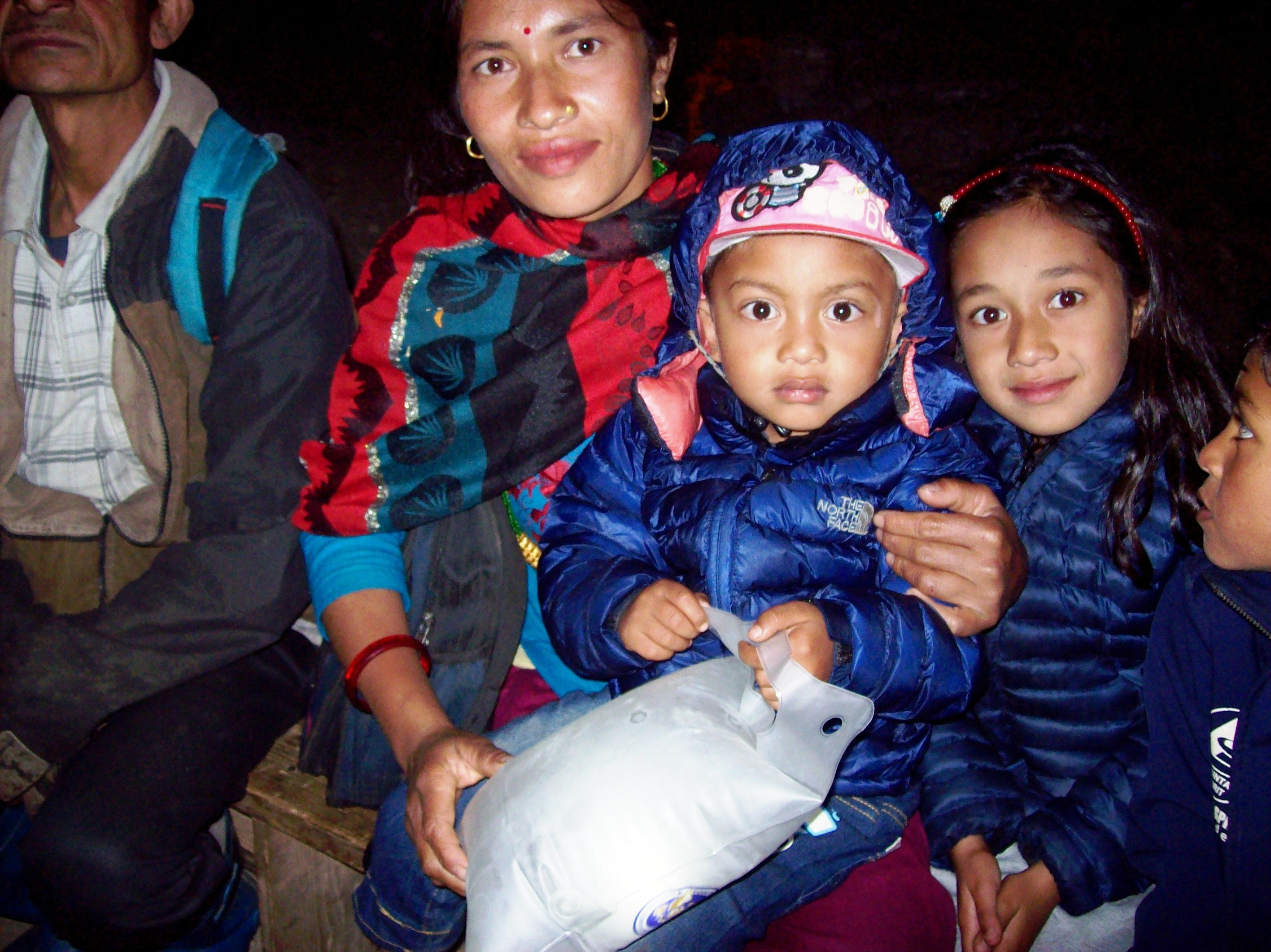
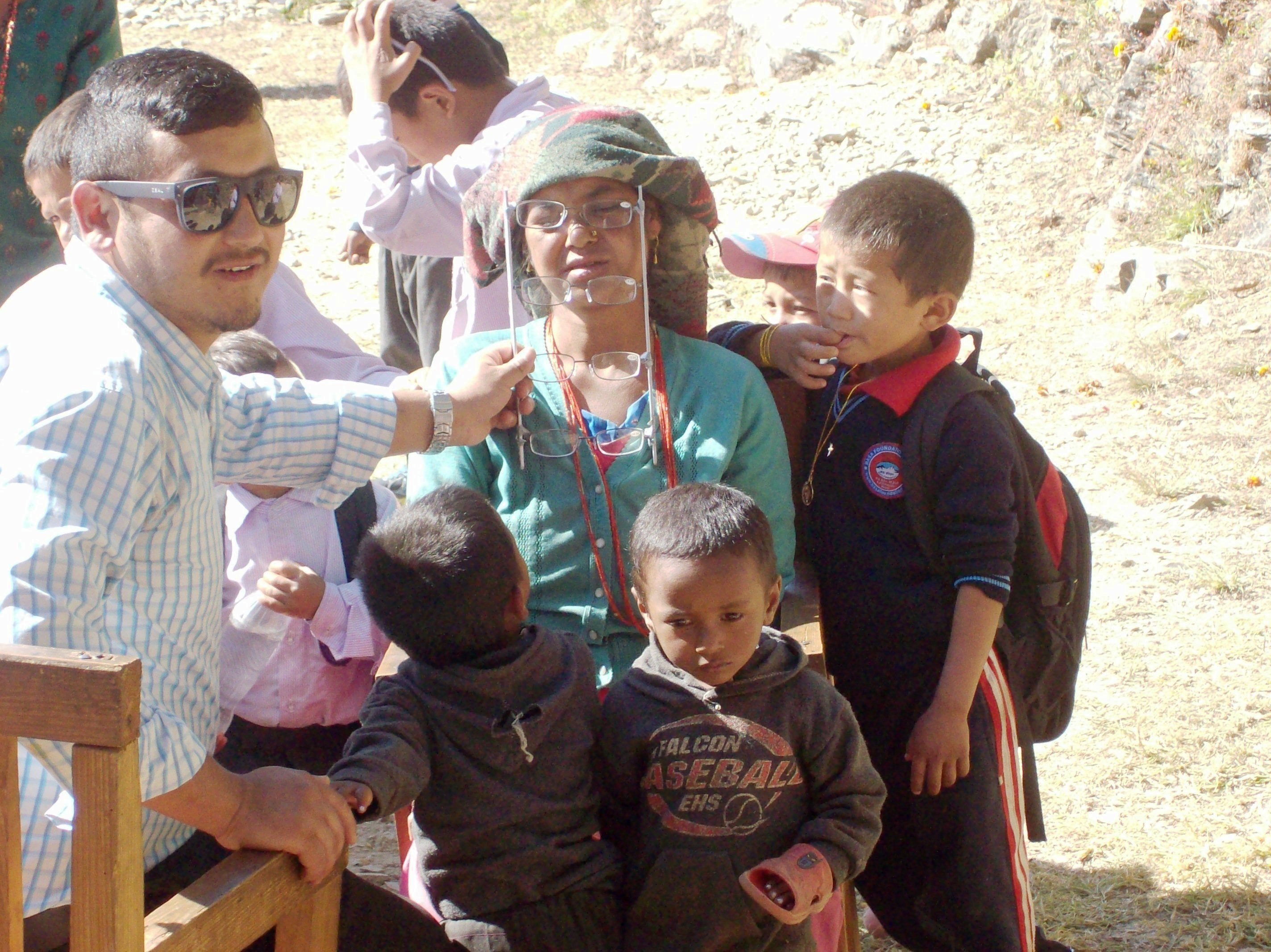
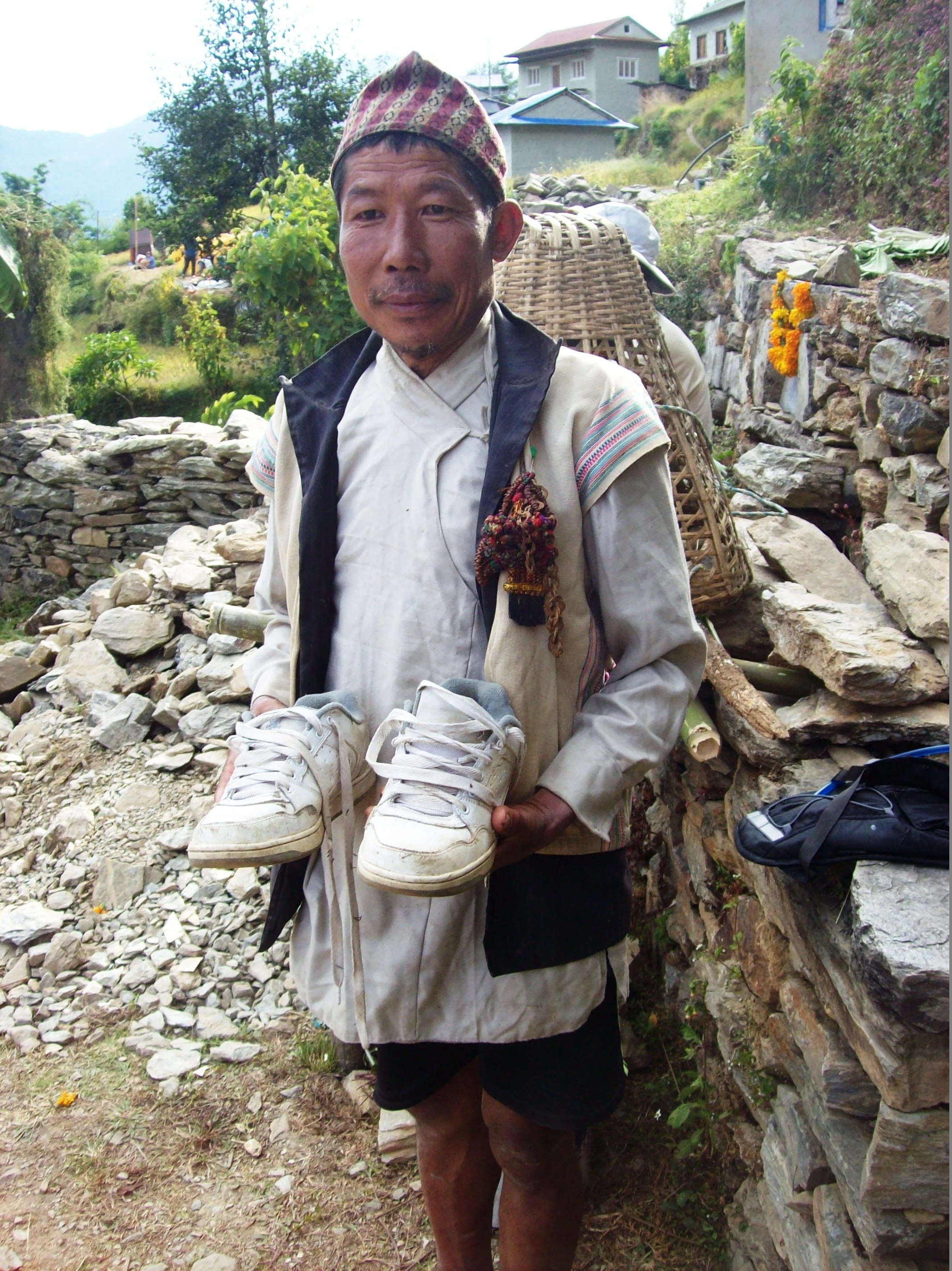
Members of the BVF visit the Basa area every year. The last time I personally visited the village fifteen "friends of Basa" were hosted by the village. We were supported by Adventure GeoTreks. We had a wonderful time celebrating with residents completion of several BVF projects, especially rebuilding the village after the devastating 2015 earthquakes. Members who were unable to make the trek on foot arrived by Jeep. Another group led by board member, Sydney Frymire, also visited the village. 10% of the trekking fees paid by members of Sydney's group were donated to the Basa Foundation's relief fund. The members of each of these groups delivered solar-powered LED lights from LuminAid and shoes from Changing Footprints to Basa and other remote villages in Nepal. 500 pairs of reading glasses were delivered to the Basa area and a local facilitator was trained to fit glasses for villagers of all ages.
If you would like to visit Basa or anywhere in Nepal or the Himalayan region, contact me at jeffrasley@gmail.com.
Our 2021-22 project was financing the construction of a playground for the village school and renovation of the building. Grading the play area and constructing a wall was successfully completed in February, 2021. Renovation of the schoolhouse's exterior was completed in May 2022. The construction was supervised by the BVF-Nepal NGO team and the labor was provided by villagers. In 2022, we are studying the possibility of an economic development project that would create a sustainable source of revenue for the Basa community to help the village become less financially dependent on charitable grants.
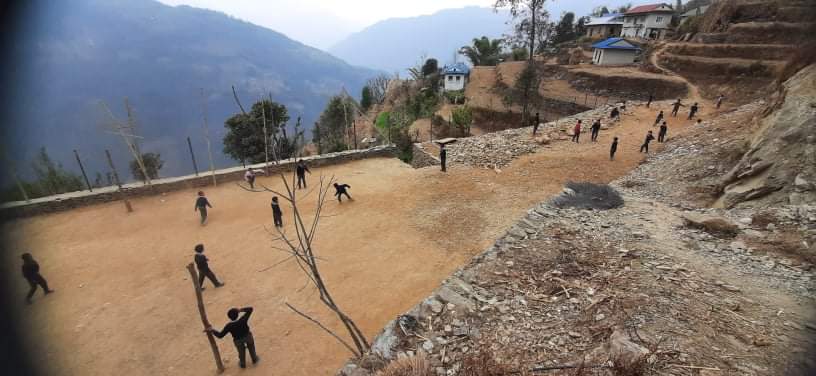
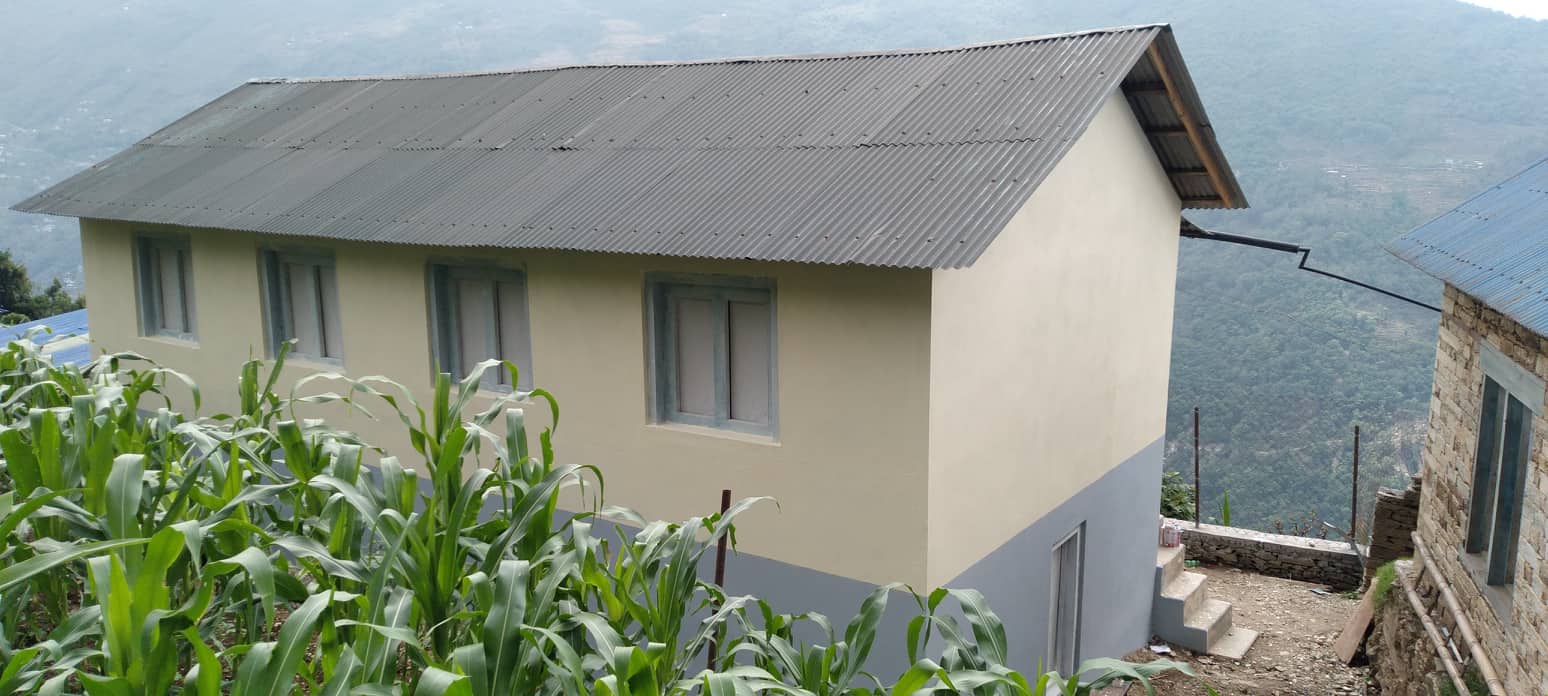
Photos of school playground and school building by Niru Rai, Chairman BVF-Nepal.
Our 2020 project was successfully completed in August. With combined funding from the government of Nepal and the BVF there is now a medical clinic and public restrooms in the Basa area. The need for local medical services is obvious. For the last 20 years residents of the Basa area had to walk two hours to reach the nearest medical clinic. No longer.
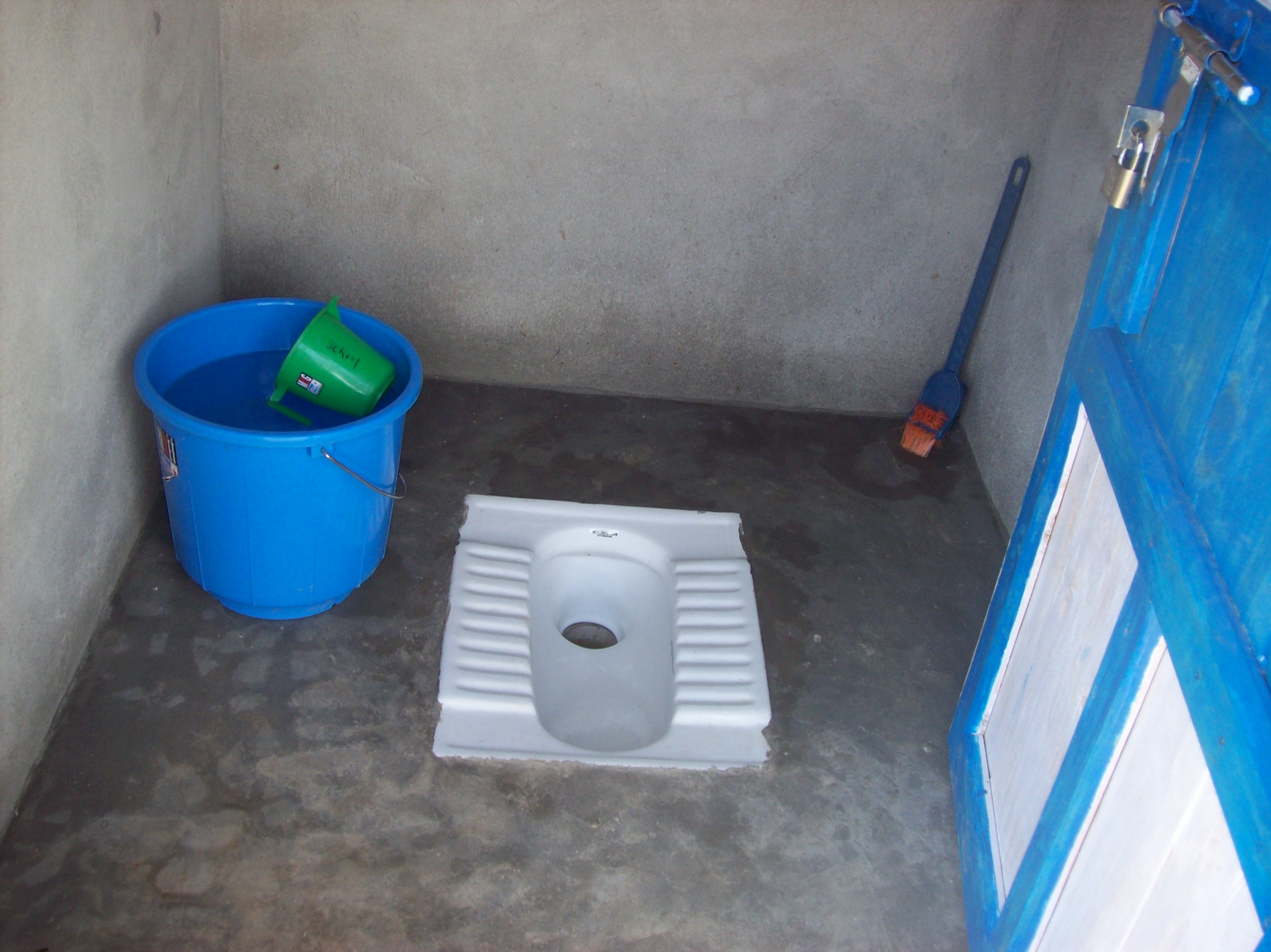
Restrooms with clean, running water are important, especially for patients and medical staff, for hygienic reasons. The only toilets in Basa Village are the two financed by the BVF for the school. There are now four more and two drinking fountains at the medical clinic.
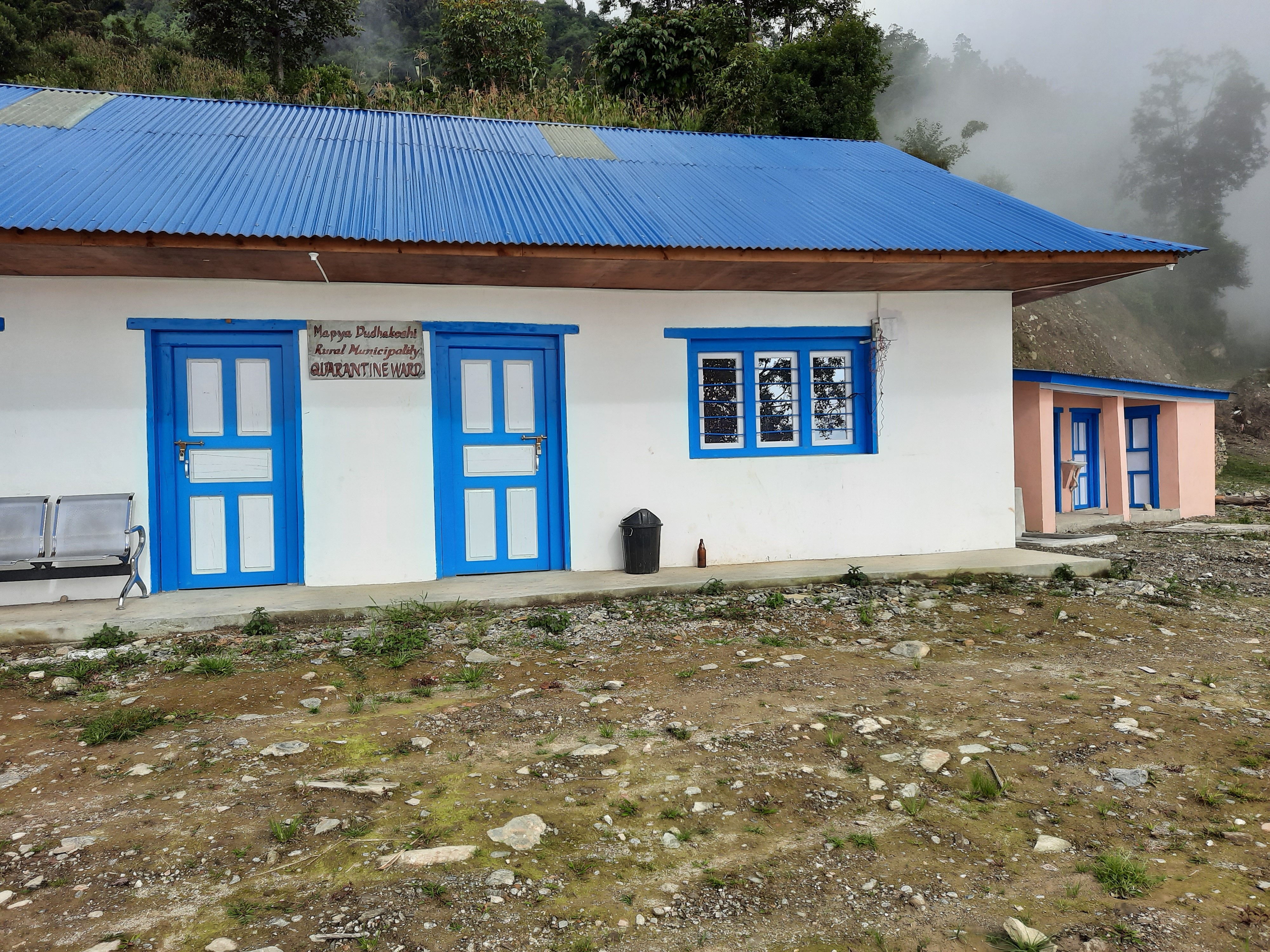
Photo by Niru Rai, Chairman of BVF-Nepal, of the medical clinic and restrooms
Basa Village Foundation USA Inc.
The origin of the BVF was the shared vision of Ganesh Rai, Niru Rai, and the guys from Basa employed by Adventure GeoTreks, who were the guides, cooks, and porters for a mountaineering expedition I led in 2006 to Lobuche East (near Mt. Everest). The adventures leading up to the creation of that vision and where it led us are in my book, https://www.amazon.com/Bringing-Progress-Paradise-Mountain-Village/dp/1573244821. Read it if you want to learn more than what's presented below.
The BVF is a public foundation tax exempt as a charitable organization under the US Internal Revenue Code 501(C)(3). It was incorporated as a nonprofit Jan. 1, 2012. A group of 30+ supporters who had supported development projects in the Solu area of Nepal formed the nonprofit corporation. The BVF has continued the work of the Basa Project, which has been supported by Indianapolis First Friends Quaker Meeting since 2009. The ultimate goal of the BVF is to use our work in Basa village as a model of culturally sensitive development for other villages.
100% of funds donated to the BVF and Basa Project have gone to the project, because the BVF has no paid staff or overhead. Its members have donated all services needed. Our corporate attorney, Charles Richmond (now deceased), donated his professional services for tax and corporate work. (Yes, there are some generous attorneys.) If you are interested in learning more about, or joining, our corporate effort please visit the corporation's website at: Basa Village Foundation USA
The BVF has its own corporate account and transfers funds to a trust account in Everest Bank, the licensed bank in Katmandu for the Basa Village Foundation, a registered Nepalese NGO, which is our sister organization in Nepal. The account has 3 signatories on it, Niru, Ganesh & Sanga, all of whom are well known and trusted by me and other members of BVF. They are honorable men who live in Katmandu, but they grew up in Basa village and their extended families still live in the village. They have given much of their own time and resources to the projects supported by the BVF.
A History of BVF Projects
Nepal Earthquake Relief
In October 2015 we transferred $40,000 to the account of the Basa Foundation NGO in Katmandu. Niru's team used these funds to purchase rebuilding materials for residents of Basa and other nearby villages.
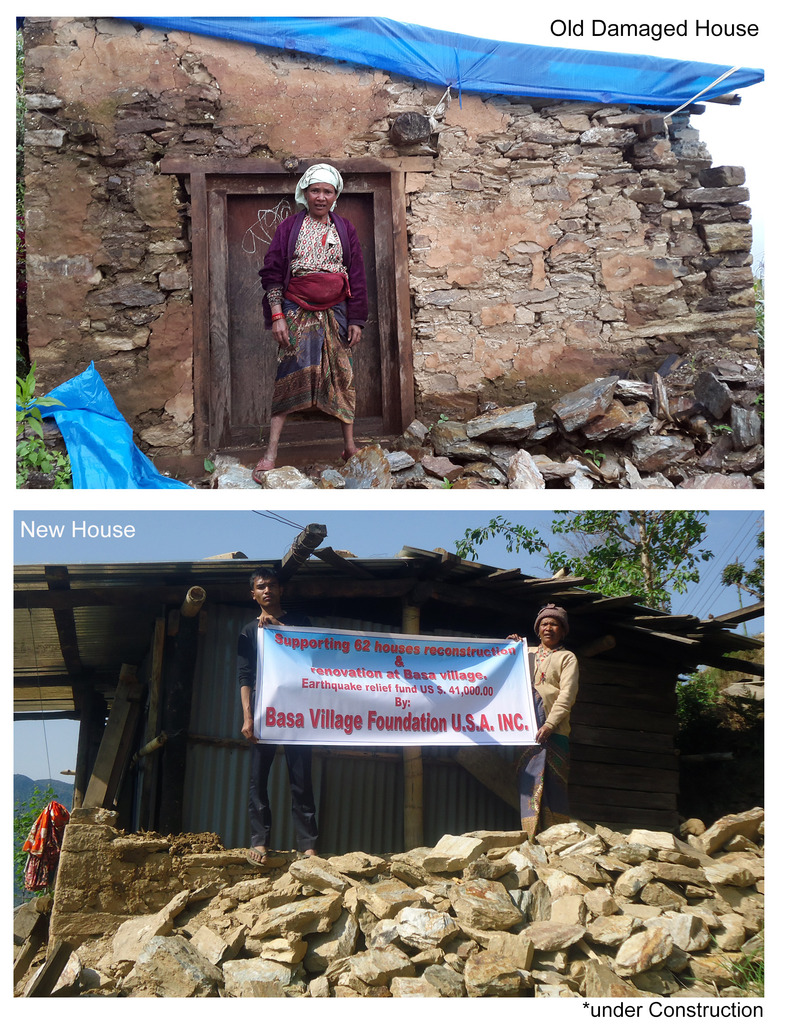
We also released funds for the purchase of a brick making machine in the amount of $2,000 to go to the New Hope Foundation hospice & women's shelter to help with rebuilding its facility.
Basa Village Project Report
On March 4, 2014 the BVF-USA agreed to provide $5,000 to the BVF-Nepal to construct a new school building in Basa village. Sol Himal, a French NGO, is contributing $7,000. The combined contribution of $12,000 will provide sufficient funds to purchase the materials needed to construct a new school building for the 5-grade village school. Villagers will provide the labor necessary for the construction, which is supervised by the members of the village school. board.
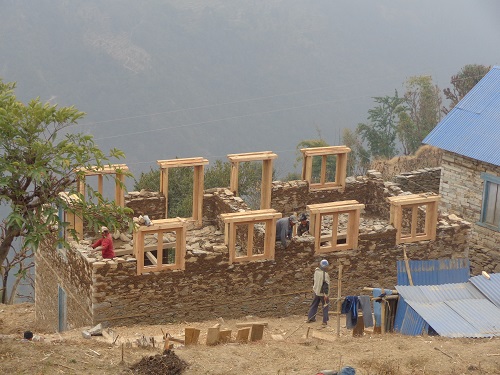
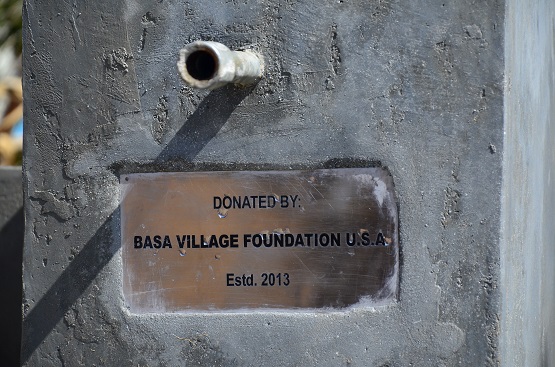
The BVF-USA successfully completed its fundraising campaign for a water delivery system for Basa village in November 2012. The Foundation's members approved transfer of $29,000 to our sister organization, the BVF-Nepal, at our annual meeting on Dec. 11, 2012.
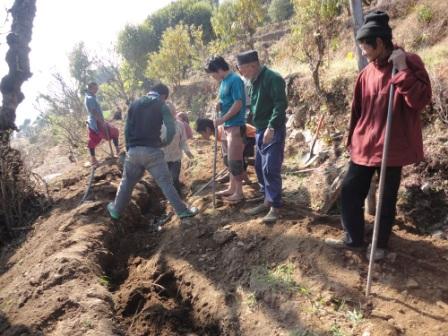
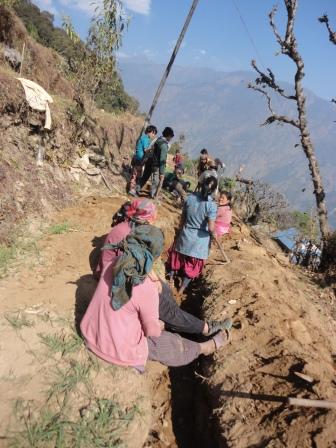
During the monsoon season, water is typically plentiful in the Solu-Khumbu region, cascading from the hillsides and filling terraced rice paddies. Throughout the rest of the year, the people of Basa have to walk long distances over very steep terrain to bring buckets of water to their homes. The BVF-Nepal retained a local engineer, Bharu man Rai, to design a system which will divert water from a nearby spring and pipe it to taps outside the homes in the village. BVF member and engineer, Ben Snyder, trekked to Basa in September 2012 to review Bharu's plan and to plot out the planned system by GPS. Ben approved the design and budget for all materials and transportation in the amount of $29,000. The villagers will provide all labor for construction at no cost. The system will be maintained and owned by the village. It will be managed by a committee of supervisors chosen by the villagers. Construction is planned for the winter of 2013.
BVF members in conjunction with Marian University students trekked to Basa village in late May 2013 and we reviewed the status of the water project. We reviewed plans with village leaders and inventoried the PVC pipe that has already been purchased for the project. Under Bharu's supervision villagers intend to begin construction in the fall after the monsoon rains end. Our group also delivered additional educational materials and supplies to the village school and reviewed the educational curricula for the classes and use of the computers previously supplied to the school. We had a delightful time being entertained by the school children and villagers with music, singing, dancing, eating in homes, witnessing a shaman ceremony, the rituals surrounding the slaughter of a pig for division among all villagers, and much rakshi (home distilled spirits) drinking.
The villagers began construction of the water project in December 2013. They expect to complete construction by the end of March 2014.
In October 2011 our "philanthro-trekking" group of Mike Miller, Joel Meyers, Dennis Mathews, Chris & Jeanne Taylor, Karlin & Ursula Meyers and Jeff Rasley delivered 5 laptop computers, 23 pairs of children's shoes and miscellaneous school supplies to the Basa Village School. Chris's employer, Nimbus, donated the computers. Changing Footprints of Indianapolis donated the shoes and group members donated the school supplies. Chris and Jeanne spent an afternoon instructing the school's faculty and five hand-picked students in basic computer skills on the laptops. One of the teacher's, Assam Rai, with help of this core of students will take the lead in teaching all students how to use the laptops. Chris and Jeanne plan to return in October 2013 to provide advanced instruction.
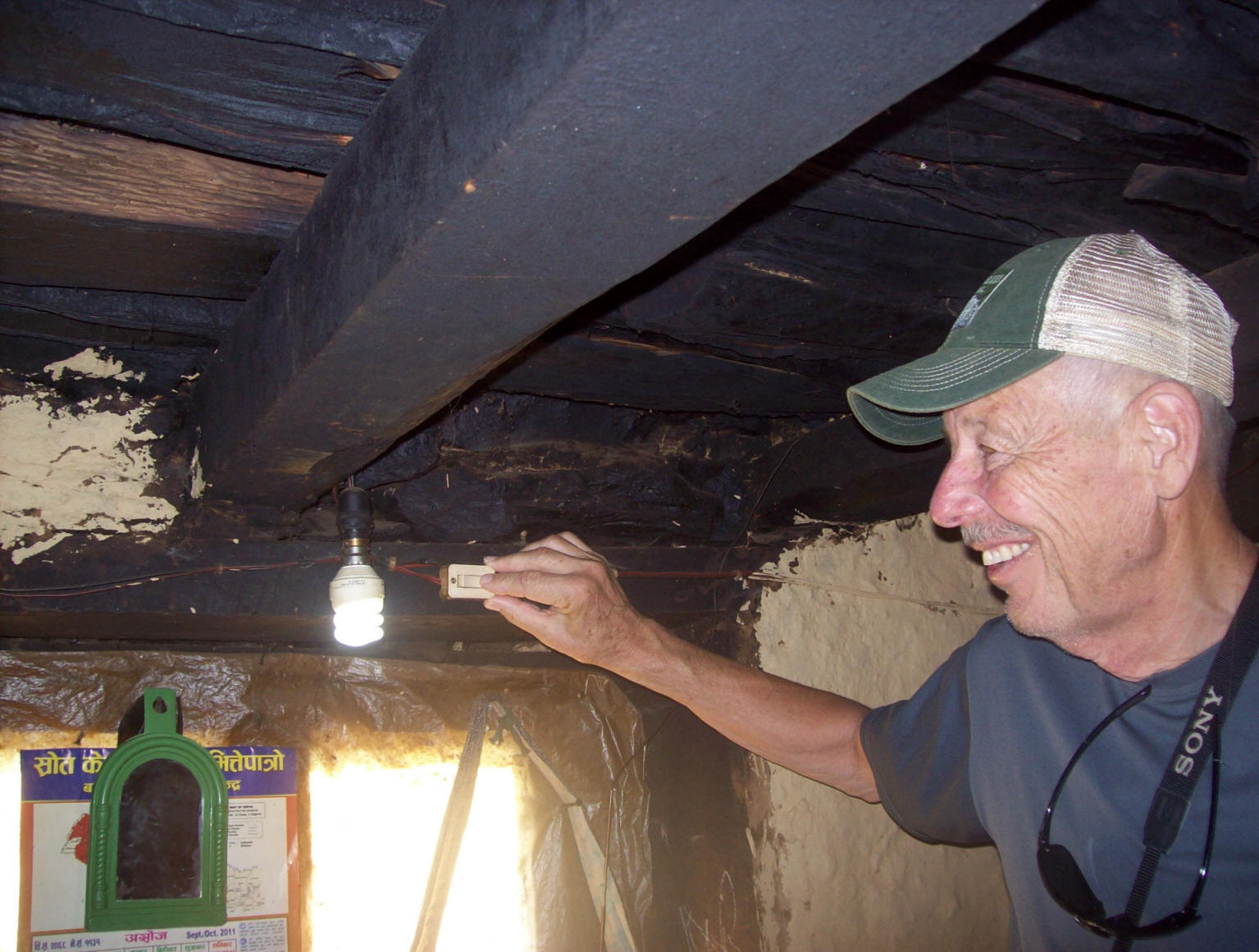
Mike Miller, Joel Meyers and I hiked with villagers over to the Mauri Khola (river) to inspect the hydroelectric power station, which Mike and I had helped to plan the year before. We were impressed with the workmanship of the villagers in the construction and the operational care taken in running the system by Prakesh Rai. In 2010 The First Friends Basa Village Project and Miller Family Foundation raised $20,000 to purchase and install 2 hydroelectric generators and wiring for electricity for the Basa village area of 62 homes. On February 21, 2011 lights were turned on for the first time in the history of Basa village. It was extraordinarily gratifying for Mike and me to witness the success of the Hydroelectric Project and use of lights in the village. Our group was able to enjoy a dance program performed by the village children in the evening under lights outside the school. Deforestation has been reduced as firewood is no longer needed for lighting.
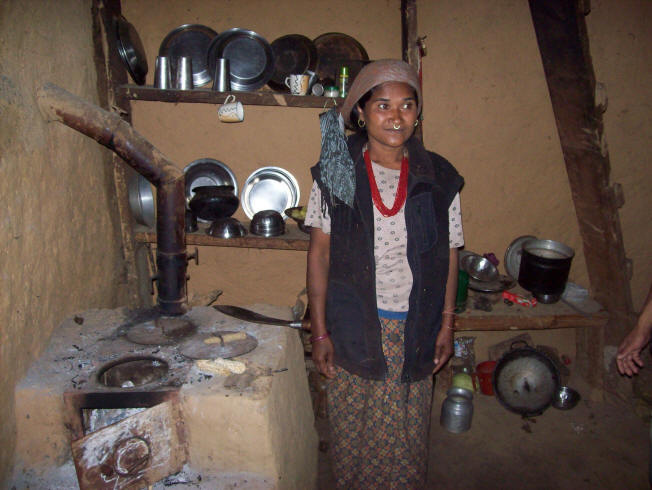
The First Friends Project also raised sufficient funds in the summer of 2011 to purchase the parts to construct 62 smokeless stoves for the village. Members of our trekking group visited homes throughout the village and were shown the smokeless stoves now in each home in Basa. The villagers were especially proud of their own work in assembling the stoves and building chimneys into their homes.
Smokeless stoves will have significant health benefits for the villagers. Currently firewood is the primary fuel for heating and cooking. Villagers inhale carbon smoke every day of their lives. By significantly reducing the reliance on firewood there should be a great reduction in cardio-pulmonary disease and cataracts. Smokeless stoves will also significantly reduce deforestation. Villagers were burning at least 9 sticks each day for cooking and heating. The smokeless stoves have reduced the number of sticks needed to 3 per day.
The electric system and computers will greatly benefit the school children. School children have had no access to the outside world, as there is no regular mail delivery, phone service, TV or Internet connection in the village. The 5 grades in the Basa school have very limited resources. Unfortunately, many of the school children will be forced to leave Basa as the small family farms cannot support extended families. So, preparation to cope with living and working in an urban area, like Katmandu, is extremely important for the school children. Providing lighting to the village and computers for the school will thus not only improve the quality of life in the village, it will greatly benefit village children as they will be computer literate when they move to an urban area.
Each of the projects devised by the Basa Village
Foundation for the improvement of Basa village requires the villagers to "own"
the project. The local people lack capital, but they have provided the
labor for all work projects, even the teachers at the school, who are villagers
with teaching certificates. The villagers built the hydroelectric system
and assembled and installed the stoves in their homes. We also respect
cultural traditions of the community. For example, because of the Rai
tradition of having three sacred stones in the family fire pit, the stoves have
either been placed on top of the stones within the fire pit or beside it.
Basa School Project (completed 2008):
The Basa School Project was successfully completed as to fund raising in 2008. This project was intended to raise funds for the village school in Basa, Nepal in a remote area of the Solu region. Niru Rai is in charge of the distribution of funds, and he reports that, as of March 2009, the following improvements have been made to the School by use of the funds donated:
- Cracked floors have been patched, window frames have been painted and repaired, and additional benches have been built;
- A playground and safety wall has been constructed;
- Teaching materials and workbooks for grades K through 5 were shipped and have been delivered to the school; and
- Sufficient funds were raised (and are being held in the School’s Trust Account) to hire and pay 4th and 5th grade teachers for three years, so the School was able to expand from grades 1 to 3 to 1 through 5.
All of this was accomplished with donations totaling $6,300.00.
La Campagne Ministry, Inc. of Bloomington, IN is the 501(C)(3) charitable organization which sponsored the fund raising campaign and transferred the funds raised to the School’s account, and only charged a 2% administrative fee for its services. Donations ranged in amounts from $50 to $1000 with over 30 donors participating. The study materials were provided at not cost as “discard items” by the Indiana Dept. of Education.
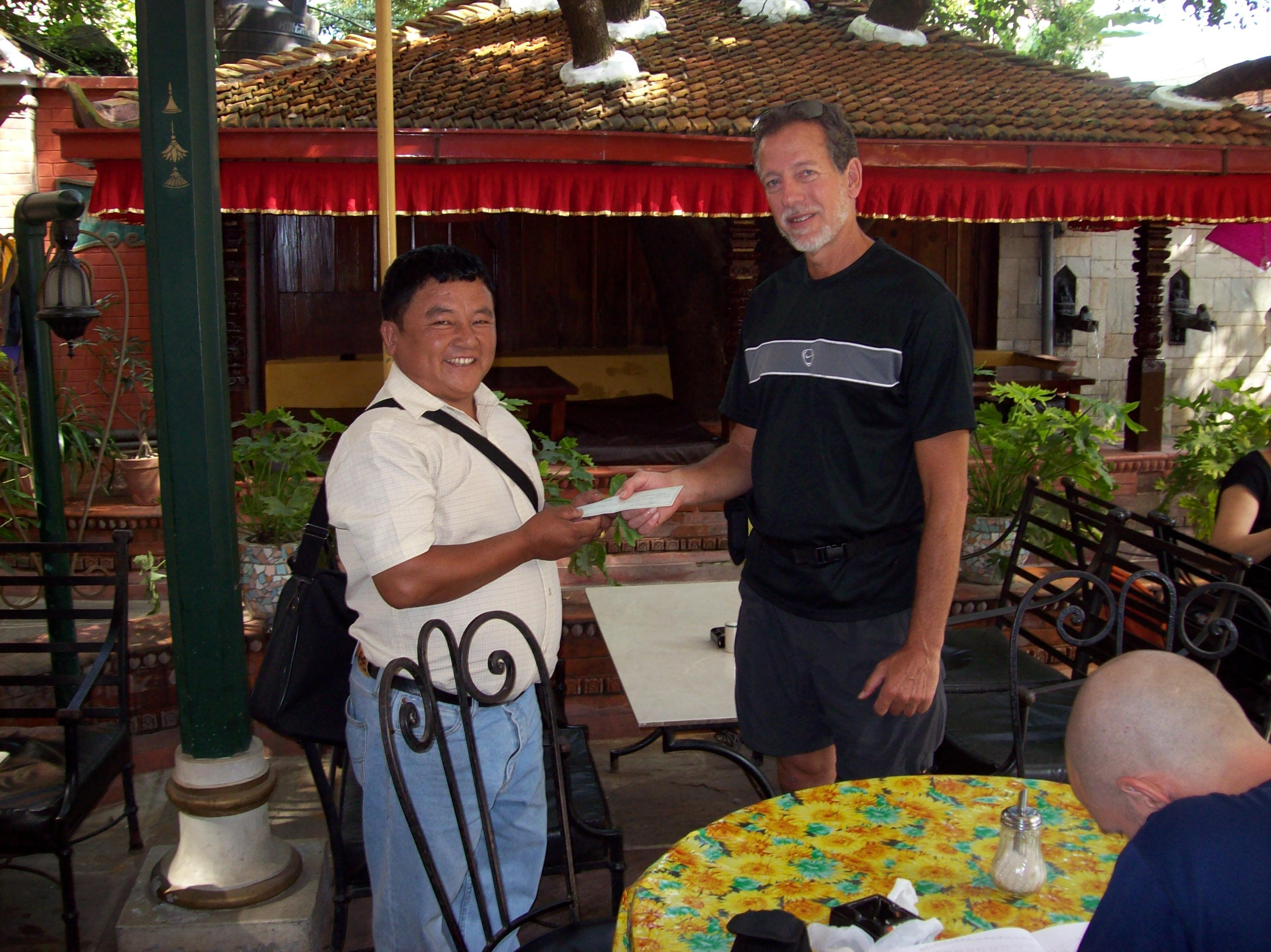
[Rasley delivering a check of the initial funds raised to Niru Rai, supervisor of the Basa School Account, at the Katmandu Guest House.]
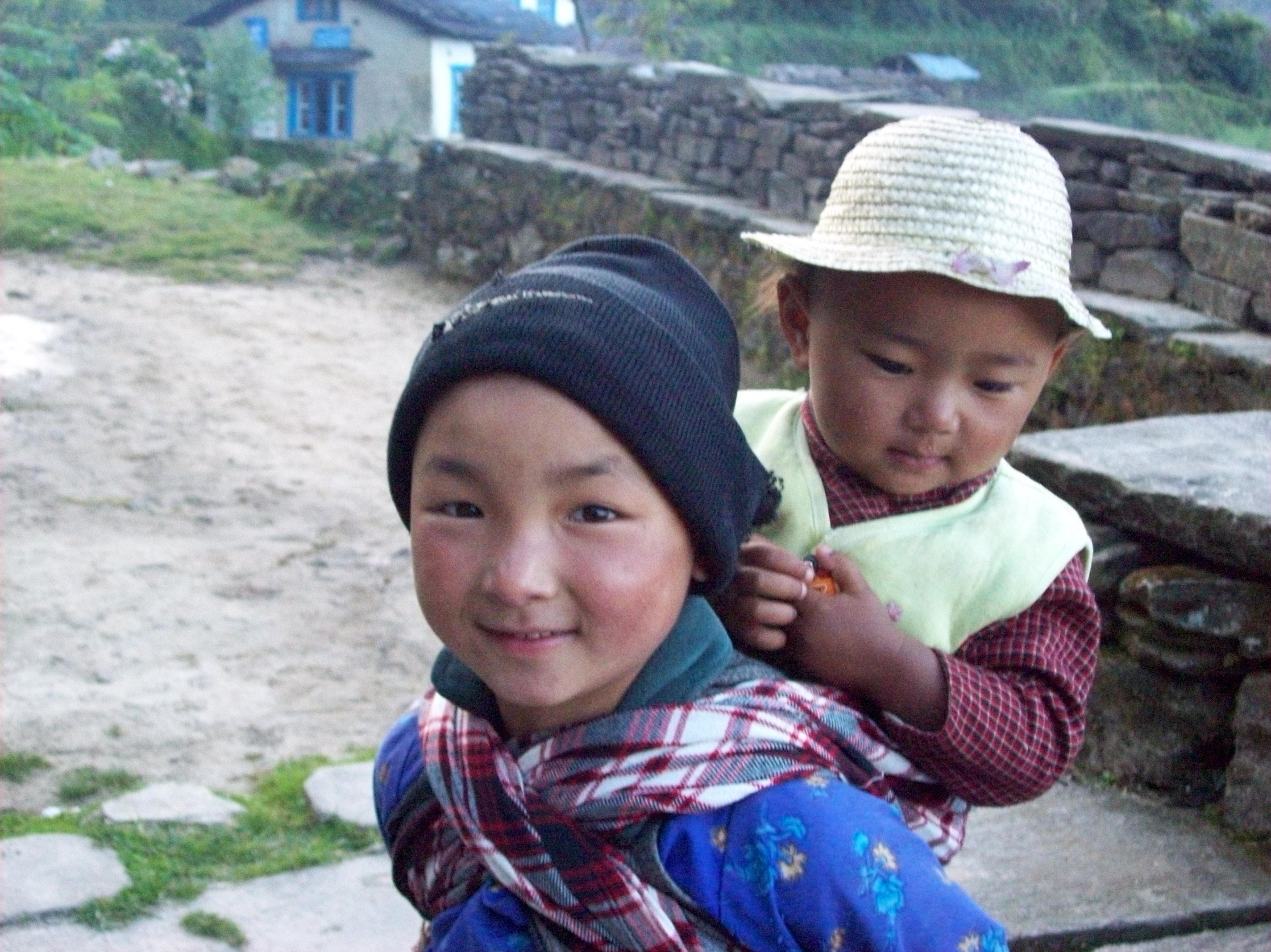
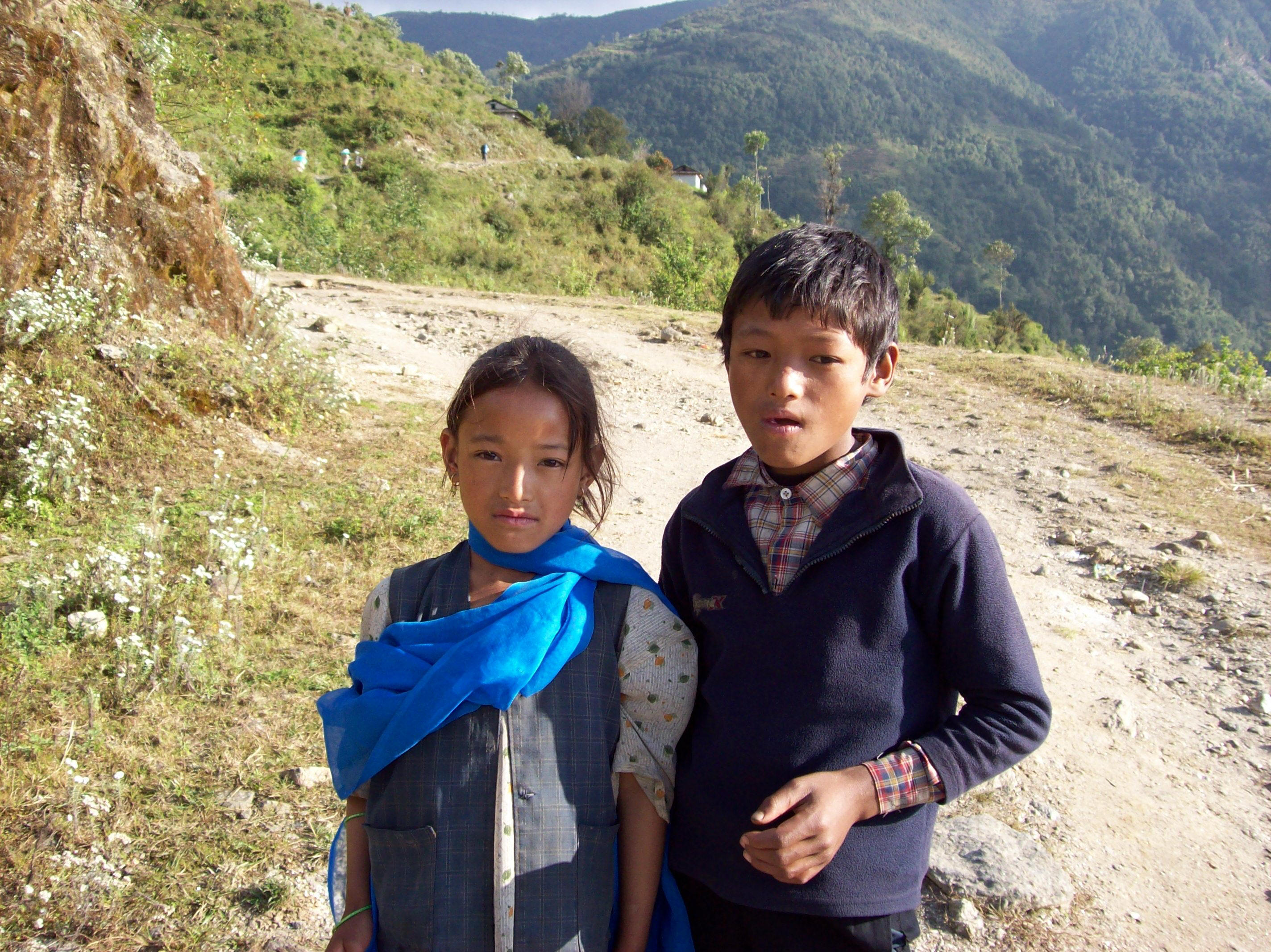
Village children often walk many hours on mountain trails to attend school.
Basa kids had to walk two hours to reach the nearest school before the Basa School was built in 2003
by a French-Canadian NGO.
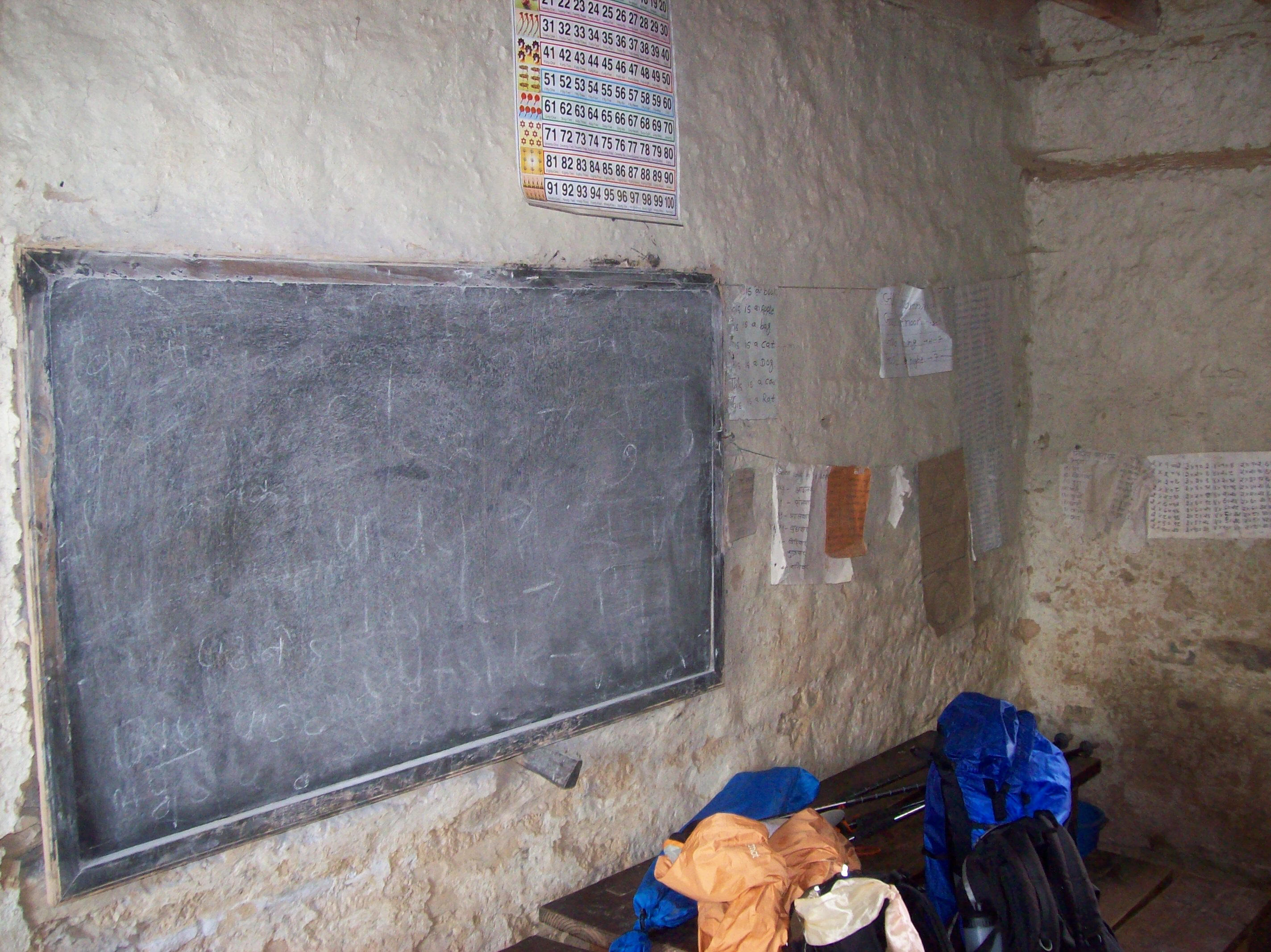
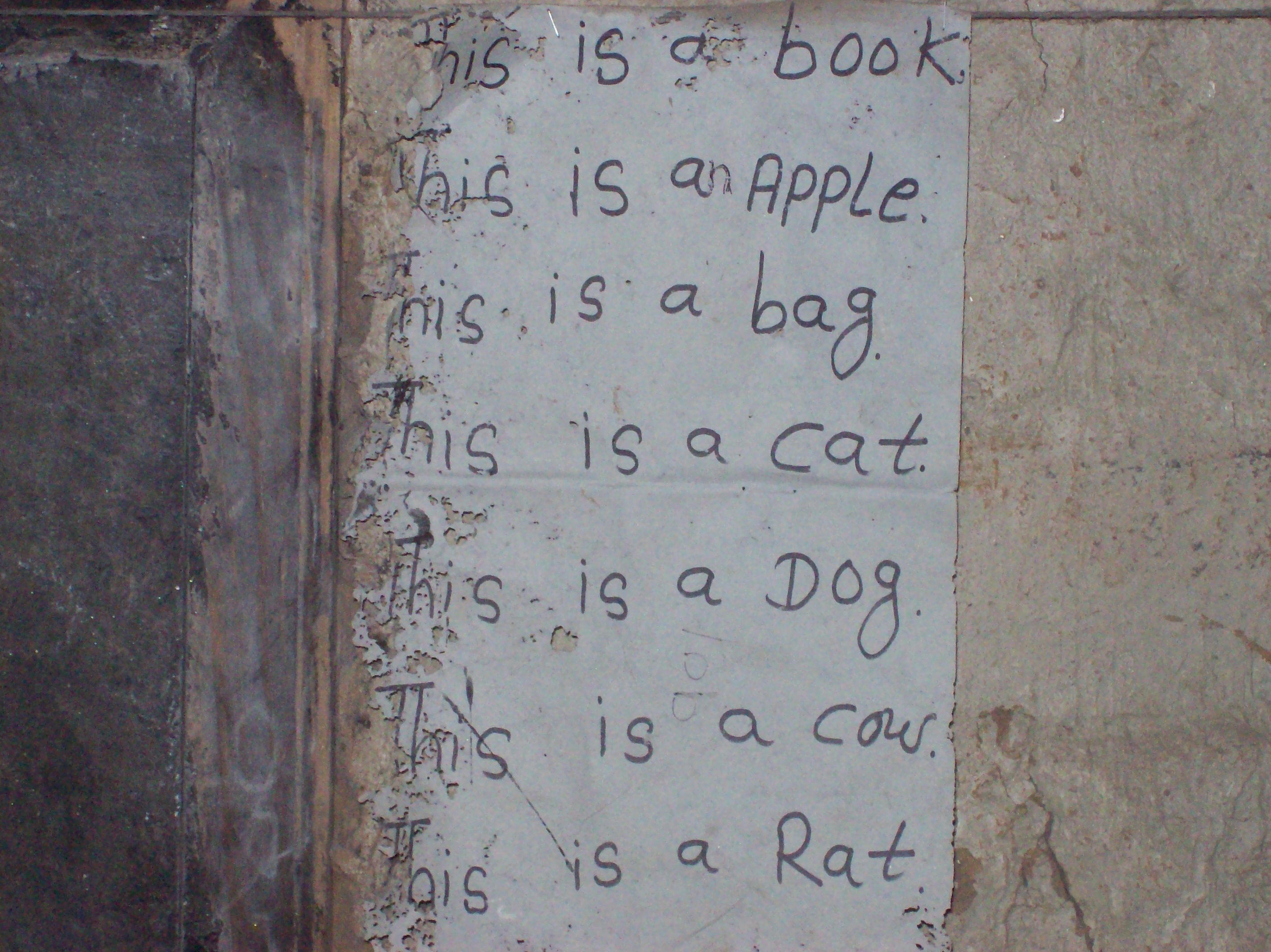
Class rooms in the Basa School.
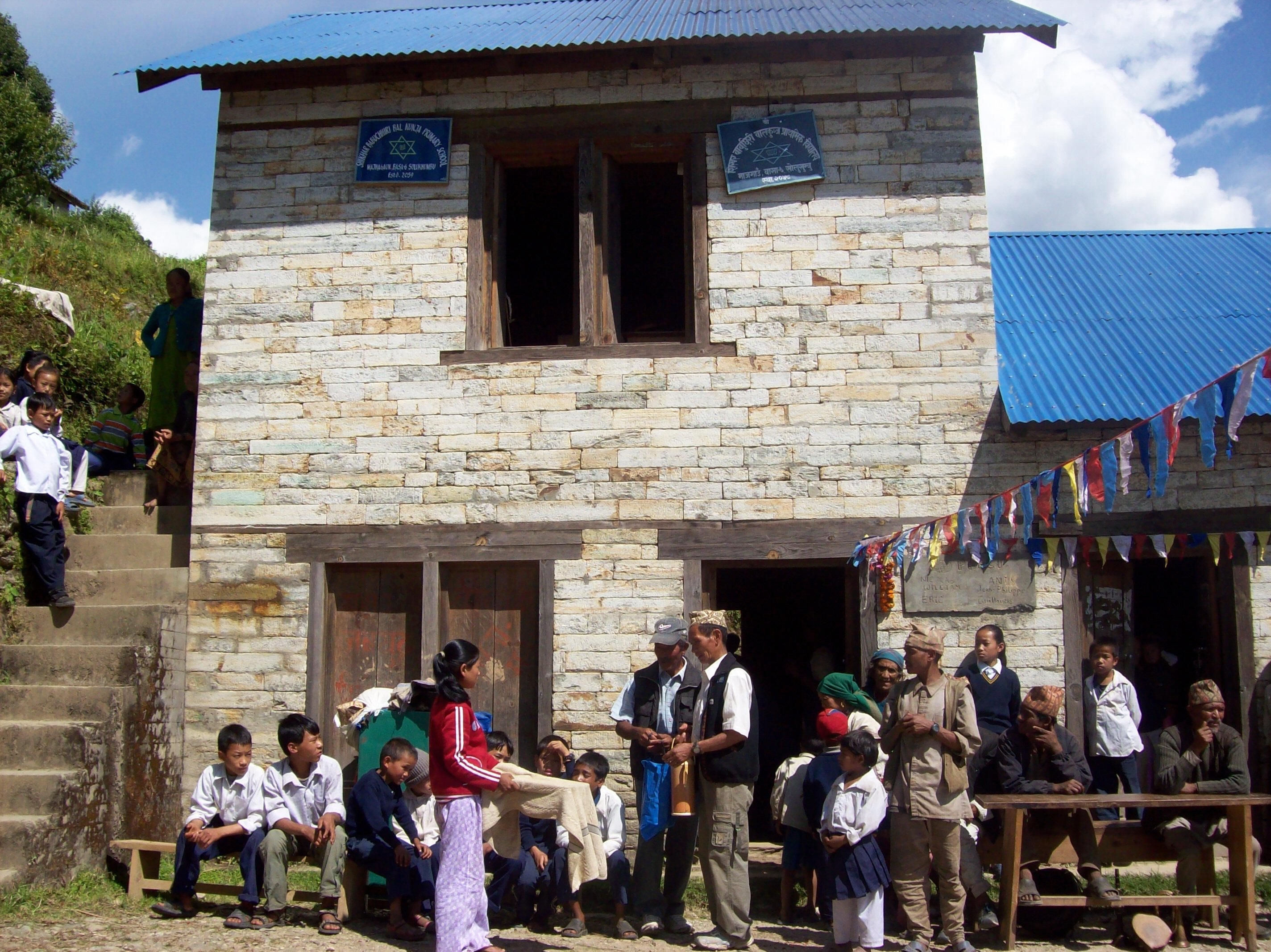
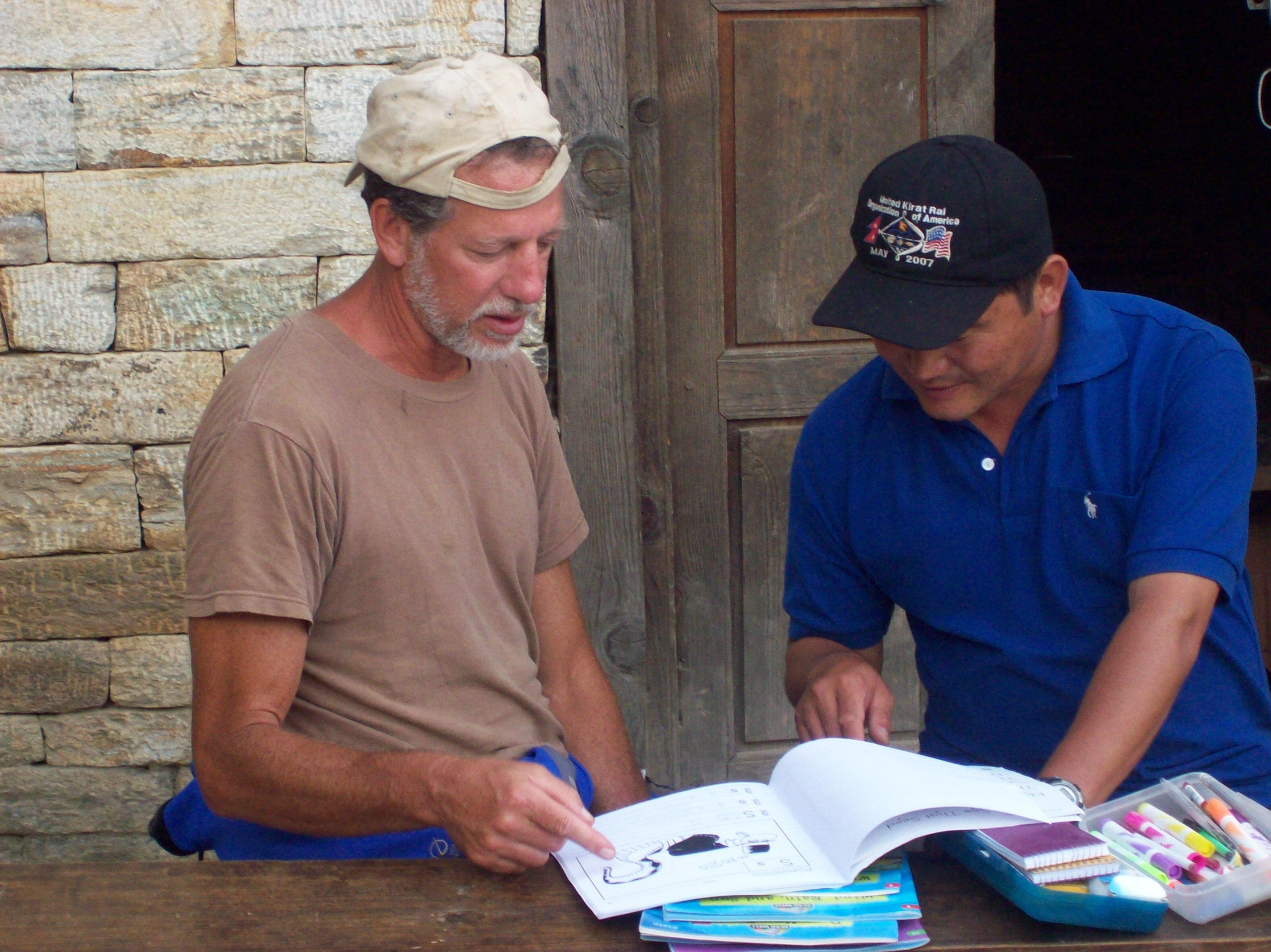
The School building Sanga Rai, trekking sirdar and husband of
senior teacher at Basa School, reviewing
donated materials with Rasley
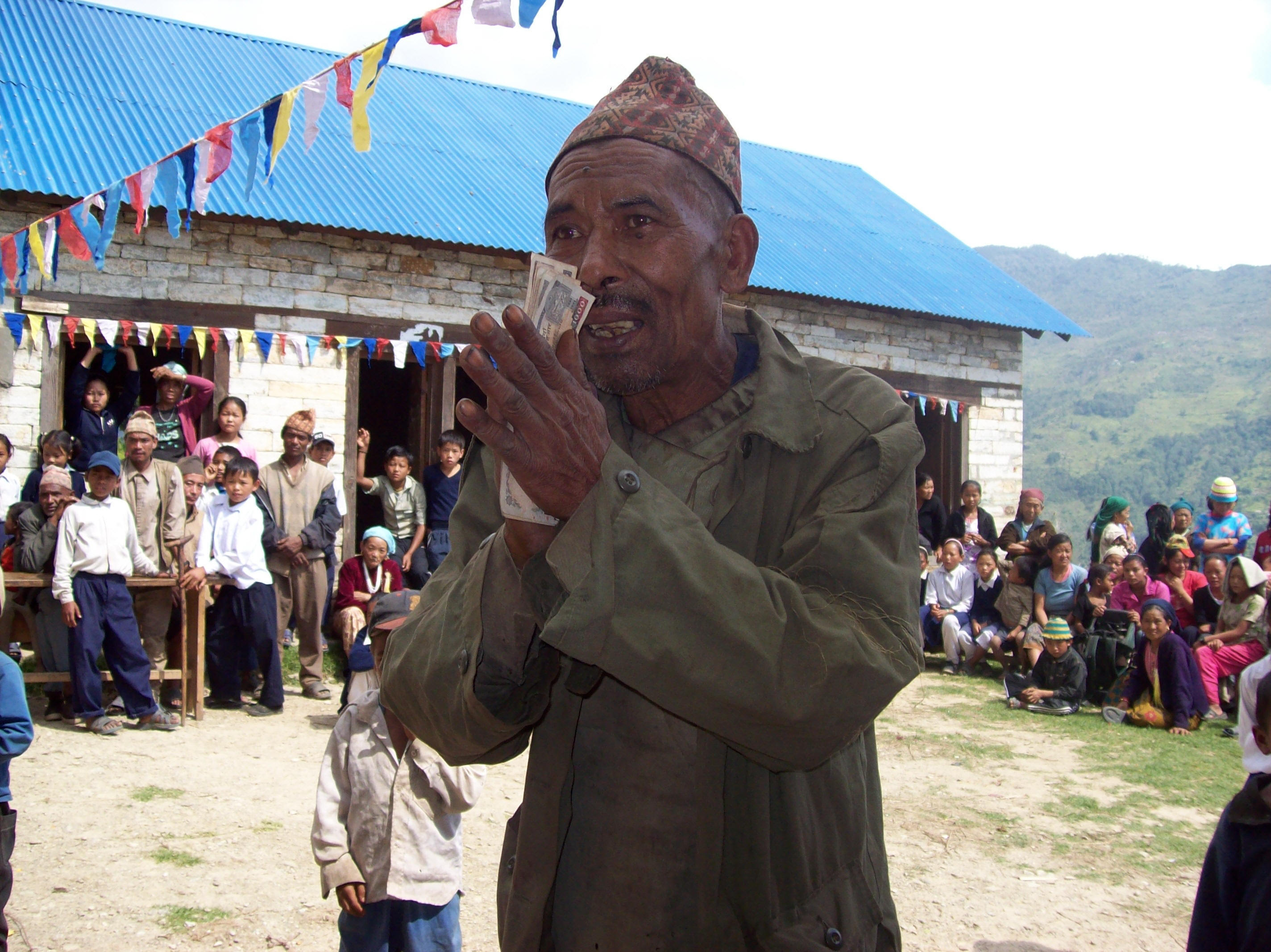
A grateful parent after receiving a grant for his child’s educational expenses from the French NGO, Sol Himal
For more information via interviews of Jeff Rasley visit:
http://www.blogtalkradio.com/empoweringauthors/2014/01/15/between-the-lines-speaks-with-jeff-rasley
http://www.shoutlifestyle.com/basa-foundation-enlightened-partnership-hcc
http://www.authenticityradio.com/1/post/2013/01/philanthro-trekking.html
http://espenradioshow.theespenblog.com/2012/11/28/jeff-rasley-adventurer-author-to-appear-tonight/
http://www.seedsborntolight.candletothesun.com/1/post/2012/10/jeff-rasley-mountains-of-meaning.html
http://www.blogtalkradio.com/consciousdiscussions/2012/08/30/basa-village-project
http://www.patheos.com/blogs/americanbuddhist/2011/04/reading-bringing-progress-to-paradise.html
http://yourlifemattersshow.com/rasley.html